
WWA at the State Capitol
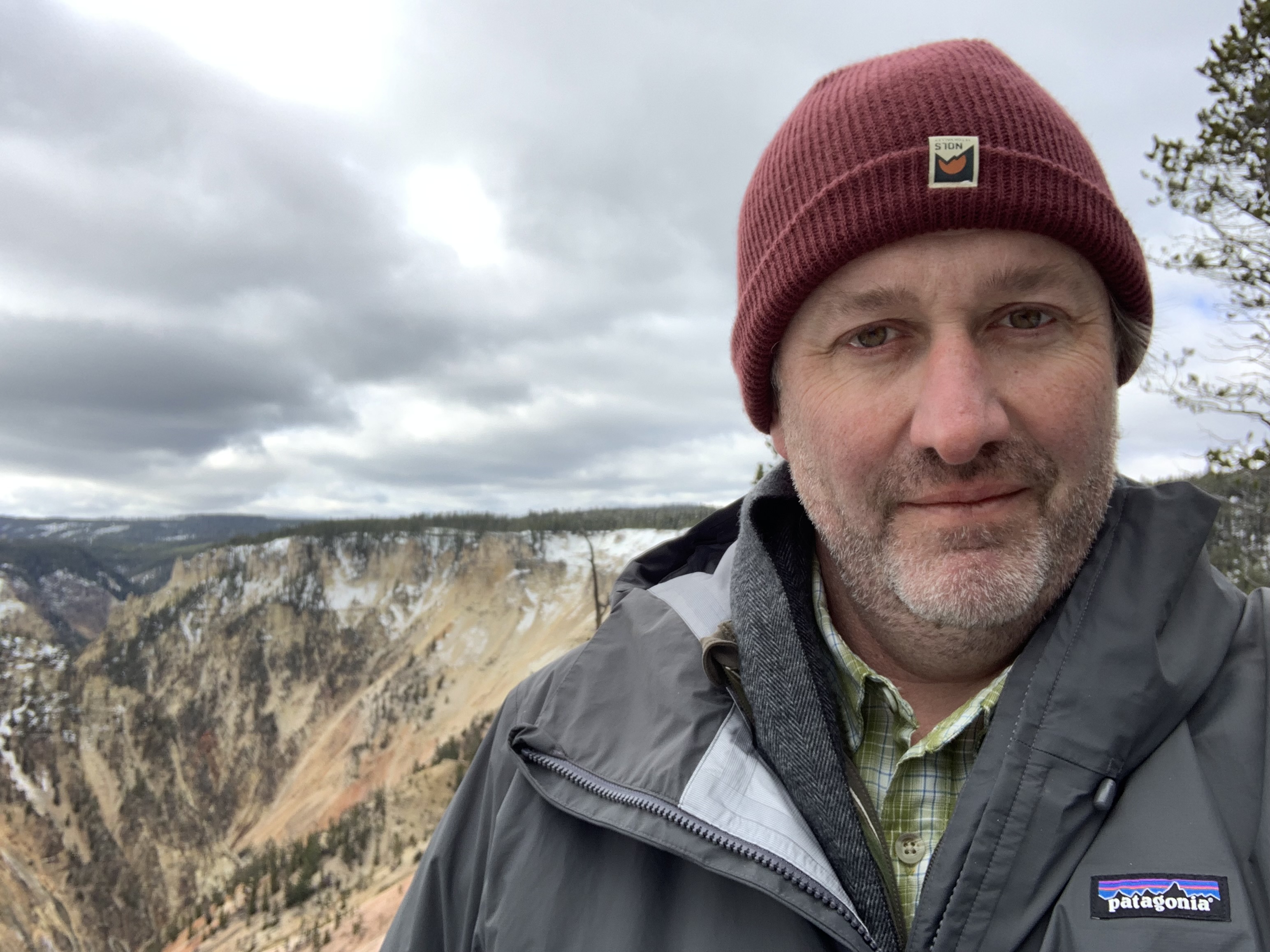

Last week, after having been absent from the state legislature since 2019, I returned to Cheyenne for the 2026 legislative session.
I felt a little rusty around the edges as I walked into the capitol building, stunning after a recent renovation. But our state capitol remains a hallmark of accessible citizen advocacy for me, and I could feel myself bolstered by the powerful truth that I, like any Wyoming citizen, had every right to be there.

I dropped in on a hearing by the Senate minerals committee on Joint Resolution 0001 (SJ1), or “State management - federal mineral leases,” with no plan to testify. This resolution had no real teeth, according to the governor's policy staff, and they were not planning to engage, as resolutions do not have the same power that bills do, and do not alter Wyoming laws.
My colleagues in the conservation community, too, felt that this positioning legislation did not carry much weight, and chose to focus their membership energy on Joint Resolution 0009 (SJ9), which affirmed the popular position in Wyoming that public lands belong in public hands.
But I was concerned that SJ1 was a trojan horse, a stepping stone for the state to pry public lands from their federal stewardship, and the first witness who sat to testify in support of the bill confirmed these suspicions. He talked about how this bill, if the federal government and the state opted to follow its direction, would give the state an opportunity to demonstrate that it could responsibly manage federal minerals and hopefully lead to the federal government turning over public lands and minerals to state or private hands. My fears exactly.
And so, looking around the room and only seeing energy interests represented, when public testimony was asked for I stood up and approached the stand. No bill text in hand, no notes, no preparation.
I pointed out that this bill would create an administrative burden for the state without compensation, as the state would still have to adhere to all federal laws and regulations governing the land and minerals since they would still be federal.
I said that President Trump had already established, through Executive Order, the restoration of quarterly lease sales as required by law, and an additional end-of-year lease sale for any nominated parcels that had not been bid on in quarterly lease sales. Energy companies have been able to nominate and bid on everything they wanted that is available in the federal estate.
I concluded that Wyoming doesn't need, or want, the burden this resolution would place upon us. And though I did not compel the committee to kill the resolution with my spontaneous testimony (in fact, I testified again when the bill came before the House Committee this week, about half of whom are card-carrying members of the Freedom Caucus, making for a rougher time and some tougher questions), I was glad I got in there and got over my anxiety.

As I write, SJ1 is receiving its final vote in the House and will head to the Governor’s desk. We let our members know about this bill this week, and WWA supporters and members reached out to their representative to express their concern. SJ1 will pass, but it will not be for free. House members now know that their constituents are paying attention and that this will be in their minds as they head into an election cycle.
Which, in hindsight, is the most valuable takeaway I have from my time in Cheyenne this year, and my engagement with this resolution: that our participation is a requirement if we are to see ourselves and our values reflected in our state - or national - politics. In the process, I not only dusted off my own legislative cobwebs, but I reminded myself that legislators are people and that, even if I disagree with their positions, I can attempt to understand them and approach the conversation with respect. Overall, I was pleasantly surprised by the spirit of congeniality that lives in so many, regardless of party politics.
Jennie Mans, our Bureau of Land Management (BLM) Wildlands Director, also made the trip to Cheyenne, joined me at “Camo in the Capitol,” engaged with state policy, and came home with a similar reflection on the experience:
“Our representation in Wyoming is unique. We have access to our representatives and senators like no other state. When you call their offices, they themselves pick up. Engaging in policy and decision-making at the citizen and organizational level is truly accessible here. While learning to engage in the lobbying process, I was struck by how many opportunities there are in a bill’s development to provide input.
From the in-person process of calling out your delegate during session before a bill is scheduled to be read, to picking up the phone afterwards to thank them for supporting legislation you would like to see passed, representation is an active endeavor. Our current Wilderness protections were not the result of wishful thinking; rather, a group of wilderness advocates took action and engaged in the political process to enshrine the protections that would steward our pristine landscapes for generations after.”
I could not have said it better myself. From hearing from Governor Gordon about the value he places on successful conservation efforts, such as preserving migration corridors, to the Aldo Leopold references that made it into speeches, to the Margaret Mead quote emblazoned on the wall in the new Capitol Annex, the message received by our team in Cheyenne last week was clear:
"Never doubt that a small group of thoughtful, committed citizens can change the world; indeed, it's the only thing that ever has."

I found myself returning to lovemoney because I wanted to discover another possible ending.
A thoughtful reflection on what meaningful civic participation can look like in practice. I especially liked the point about approaching lawmakers with level devil - not a troll game respect while still making sure citizens’ voices are heard.
If you enjoy simple fighting games with funny physics and unpredictable moments, Ragdoll Hit offers a playful experience where every attack can send characters flying in hilarious ways.